
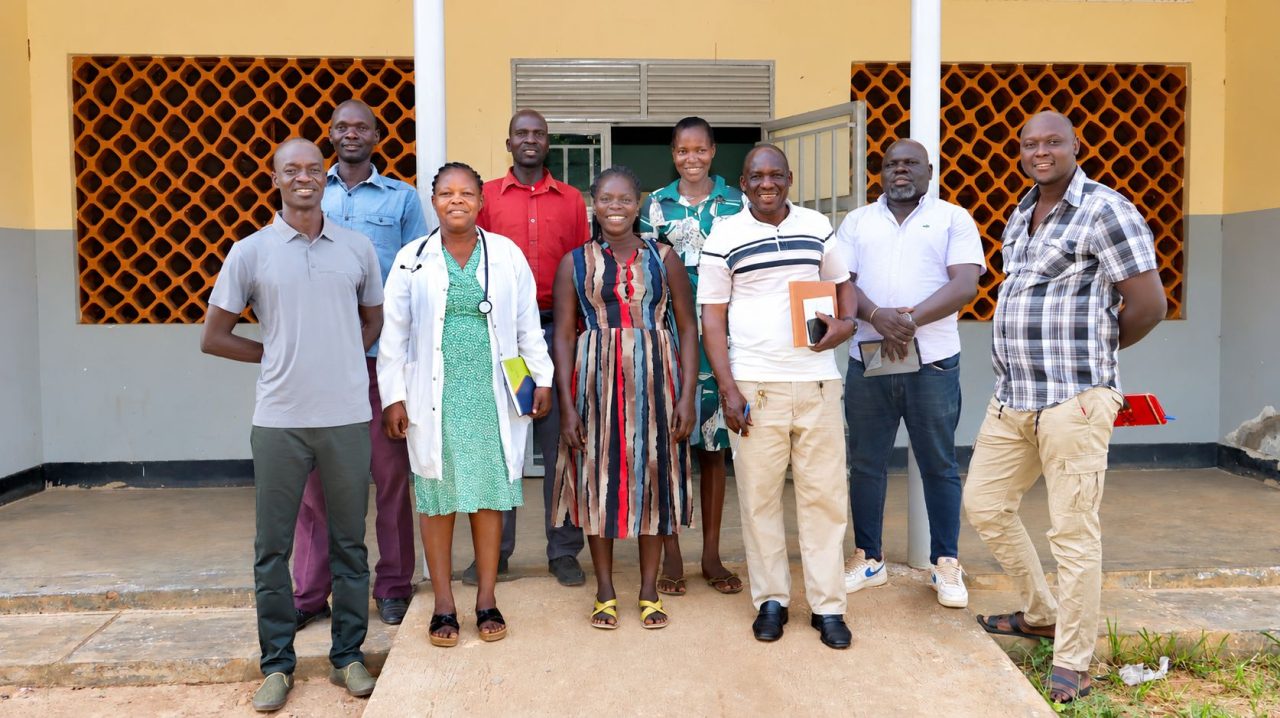
At Lapulocwida Health Centre III in Pader District, community concerns are helping drive practical improvements in the quality and dignity of healthcare. Located in Atanga Subcounty in the Acholi sub-region of northern Uganda, Lapulocwida is a government-owned health facility serving a predominantly rural community. It provides essential services including outpatient and inpatient care, maternity services, antenatal care, deliveries, basic laboratory testing and treatment for common conditions such as malaria. Established to expand access to healthcare in a region rebuilding from decades of conflict and displacement, the health centre plays an important role in meeting the everyday health needs of the surrounding community. Yet, like many rural health facilities, Lapulocwida faces challenges related to infrastructure, staffing, equipment and access to essential services. Community-Led Monitoring (CLM) is helping ensure that these challenges are identified, raised and followed up.
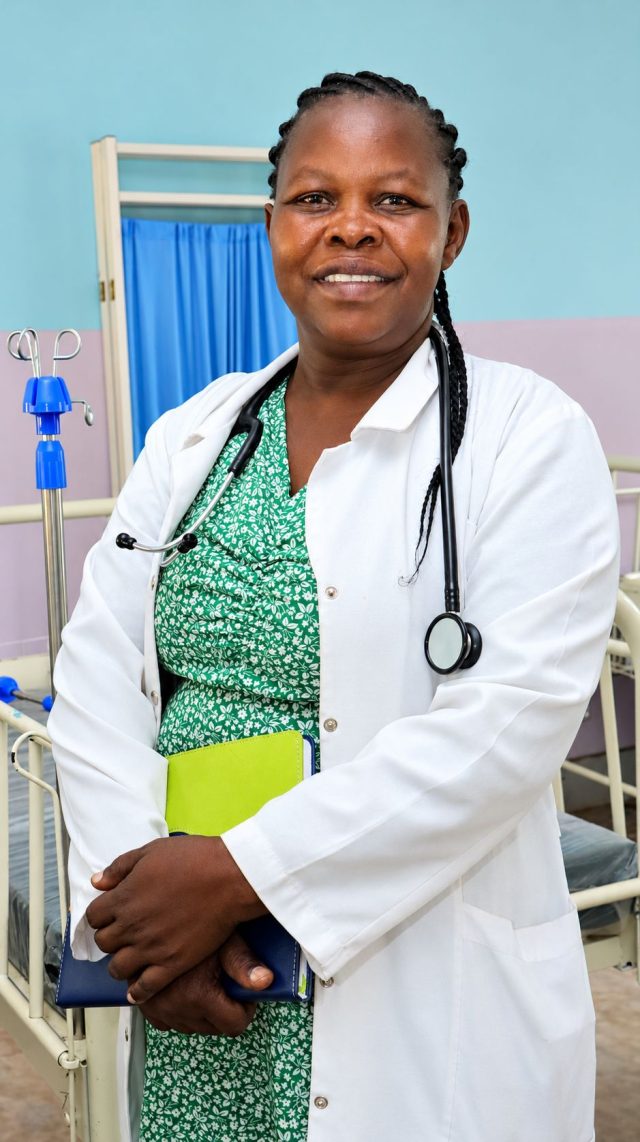
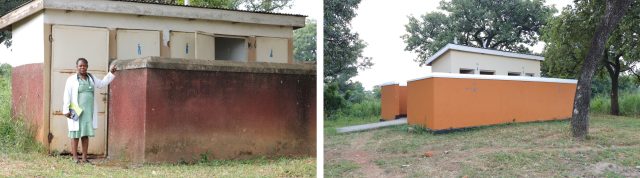
Through CLM, community members, health workers and local stakeholders have been able to identify gaps, raise concerns and follow up on actions needed to improve services. The process is supported by the Pader Concern Women and Children Association (PACWA), with support from MU-JHU through funding from Global Fund under the AGYW GF/TASO Project. For Sr. Monica Ayero, an Enrolled Nurse and the facility’s In-charge, the changes at Lapulocwida are already visible. “PACWA came to us because we had gaps, especially in service delivery. We sat together and discussed them, and it has had an impact,” she says. One of the first improvements was the fencing of the facility’s borehole, which had previously been unprotected. The health centre also secured its land title, strengthening its foundation for continued service delivery. A major sanitation improvement has been the construction of a permanent placenta pit, replacing an improvised facility that was no longer adequate. Construction was completed in May 2026, with commissioning by the district pending. The facility has also made important changes to its inpatient services. Previously, male and female patients shared the same ward. The wards have now been partitioned and labelled, with separate spaces for men, women and children. Other department offices including Outpatient, Maternity, Laboratory, Antenatal and Postnatal services have been clearly labelled and organised, making it easier for patients to navigate the facility and access care. For patients and staff, the changes have made a meaningful difference. “People became very satisfied with our work,” Monica says. The improvements at Lapulocwida show how CLM can connect the experiences of communities with action at health facilities. By creating a space for people to identify service gaps and engage with health workers and local authorities, CLM helps ensure that issues affecting patients do not go unheard. The community has welcomed the changes and is encouraging PACWA to continue monitoring the facility and following up on outstanding needs. Sr. Ayero also appreciates the partnership supporting this work, noting that the community values MU-JHU’s support to PACWA and hopes the collaboration will continue.
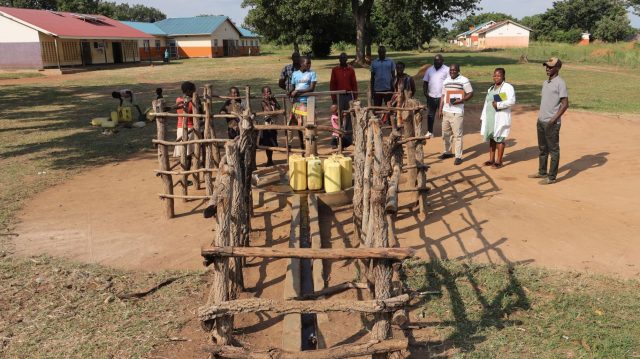
While significant progress has been made, several priorities remain. Lapulocwida still needs an in;cinerator and a perimeter fence, while unreliable access to electricity limits the use of essential equipment. The facility currently relies partly on solar power, but this does not adequately support critical equipment such as its oxygen concentrator. Staffing is another concern. The facility has an approved staffing level of 19 but currently has only 11 staff members. Additional recruitment would help the health centre meet the needs of the growing population it serves. There are also outstanding infrastructure needs, including renovation of a four-unit staff accommodation block and further development of the OPD.
The experience at Lapulocwida Health Centre III demonstrates the power of giving communities a meaningful role in improving their health services. What began as conversations about gaps in care has contributed to practical changes. They now have better privacy for patients, improved sanitation, better infrastructure and organisation of services. For Sr. Ayero and the community, she serves, the message is clear: when communities are heard, their concerns can become drivers for better healthcare.
