
The PROTECT Study team organized a two-day co-creation workshop (24th-25th June 2026), that brought together five diverse groups, including pregnant women, health care professionals, policymakers, community representatives, and a graphic illustrator. This collaborative effort was to create an educational toolkit to help women in Uganda understand maternal vaccines and the clinical trials associated with them.
The workshop was part of Work Package 4 of the PROTECT Study, which investigates not only how well pregnant women comprehend Group B Streptococcus (GBS) disease but also how they prefer to receive information about it. GBS is a bacterial infection that can be passed from mother to newborn during childbirth. With a vaccine currently in development, understanding how to communicate this crucial information is vital. The workshop participants were carefully selected for their prior engagement with the study and their roles as information ‘channels’ within their communities.
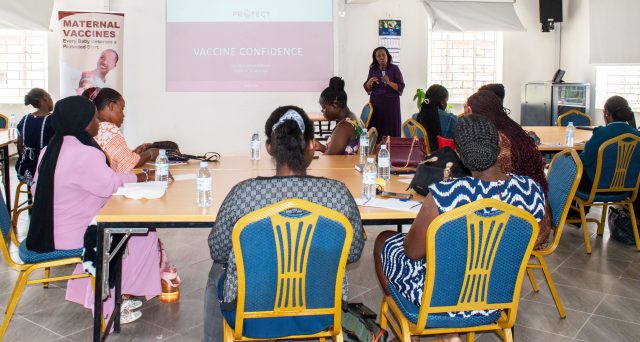
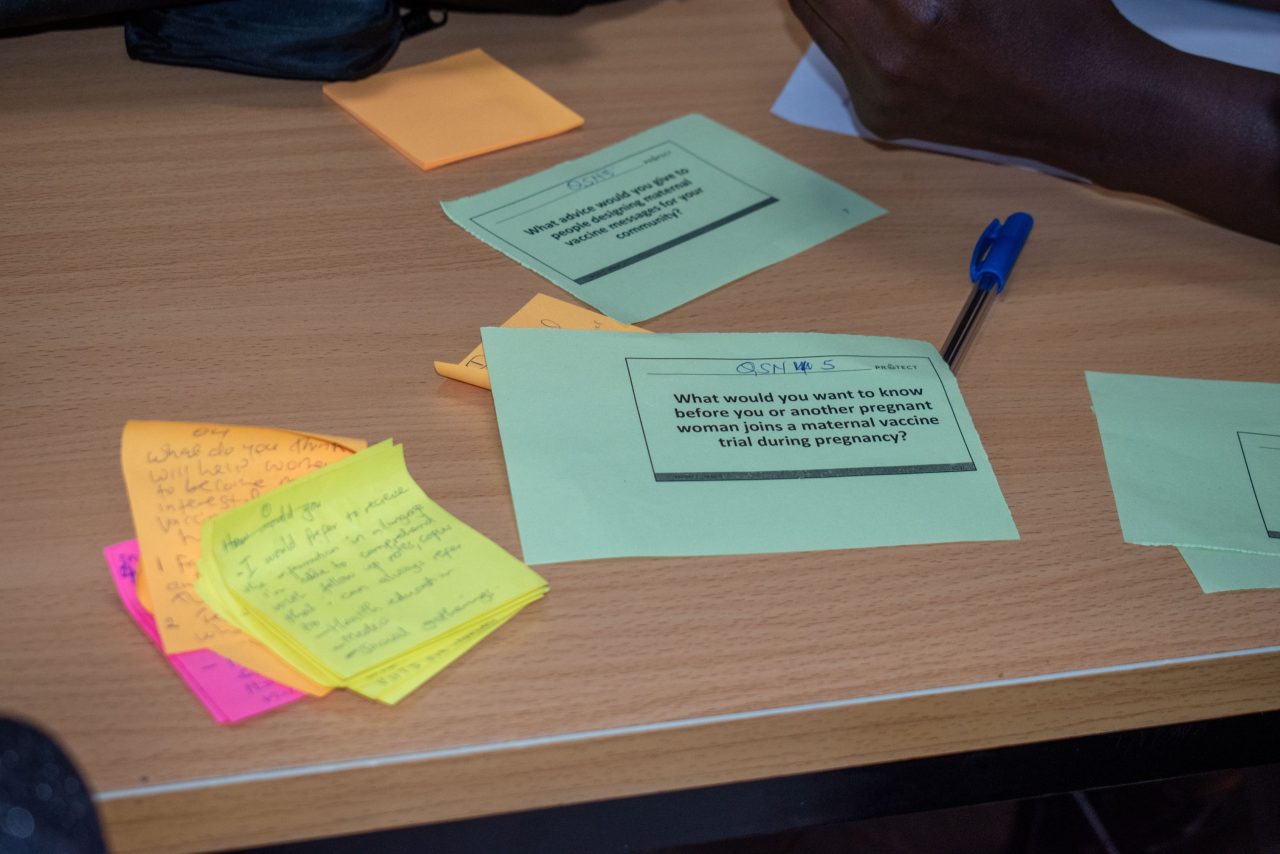
On the workshop’s opening day, participants were not given instructions but were provided with evidence. Ms. Agnes Ssali and Dr. Khamis Musanje, senior social scientists, shared the study’s findings on vaccine confidence, ensuring that everyone started from a common factual foundation. The participants were then divided into five groups, each electing a chairperson and a secretary from the social science team to document their discussions. This arrangement fostered a structured environment where participants could freely express their thoughts before engaging in group dialogue. They began by tackling a series of question cards, individually writing down their responses on sticky notes. This “silent generation” step allowed for a range of perspectives to emerge before the dynamic group discussions took over.
After the individual reflection, groups shared and debated their answers, organizing them by priority on flip charts. A “round robin” session followed, wherein each group visited others’ charts to understand diverse priorities and insights. This process was valuable, allowing participants from different backgrounds, like health care workers, pregnant women, and community leaders, to learn directly from one another about what information was deemed most important. By the end of the first day, there was a heightened awareness of overlapping concerns and differing perspectives, setting the stage for further exploration.
The second day began with a recap of the previous discussions, further enhancing collective understanding. This time, the focus shifted from the content of information to its format. Each group once again recorded responses and discussed preferences for how the information should be communicated. This discussion brought forth a variety of recommendations, reflecting both commonalities and distinct ideas about effective communication in Uganda. For instance, health workers favored a video format, while pregnant women advocated for announcements via megaphones during times when they would be home, like the evening. Community leaders suggested a radio talk show format that would facilitate dialogue, allowing for community engagement rather than unilateral messaging.
The entire workshop was designed with careful intention, from the choice of venue to the facilitation style. The MU-JHU video conference room offered accessibility and comfort, encouraging the participation of both rural and urban stakeholders. Key moderators led the way, emphasizing that this process was not merely an exercise in consultation but a genuine collaboration aimed at generating collective insights. As the two-day event came to a close, it was evident that the toolkit being developed would reflect a rich tapestry of voices rather than a singular, imposed narrative.
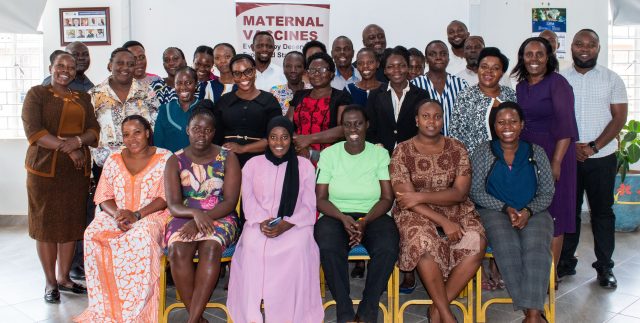
With the workshop concluded, the graphic illustrators from Fireworks Advertising were poised to transform the insights gained into tangible materials. The research team would synthesize all the co-created information, incorporating defined priorities and the diverse communication preferences identified. This collaborative effort will culminate in a validation meeting, where stakeholders will review the toolkit before finalization. The ultimate goal is to create a resource that empowers pregnant women in Uganda by providing them with accurate and accessible information about maternal vaccines and the clinical trials aimed at protecting their newborns from diseases like GBS.
To learn more about the study go to https://www.protect-network.org/
PROTECT project is funded by the European Union under the Global Health EDCTP3 Joint Undertaking
